
Circular Technology as a Transformational Force in Modern Technology
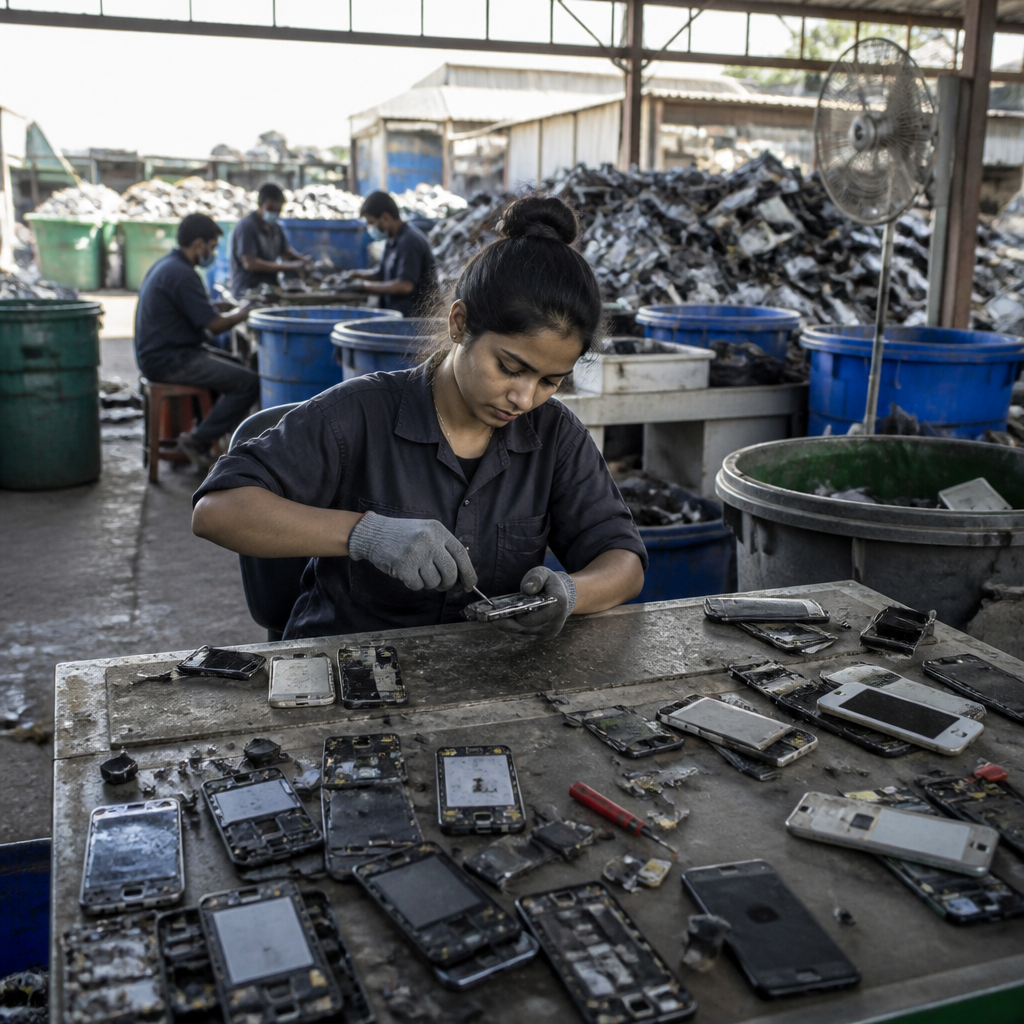
Circular Technology, defined as the design and deployment of tech systems promoting reuse and regeneration rather than disposal, is rapidly reshaping the global technology landscape. It shifts the paradigm from the traditional linear model of ‘take-make-dispose’ to one that prioritizes sustainability, resource efficiency, and environmental stewardship. This transition is important as the tech industry accounts for a significant share of electronic waste (e-waste), estimated at 53.6 million metric tons globally in 2019 and expected to grow annually by 3-4% (Global E-waste Monitor, 2020). Circular Technology aims to reduce this footprint by incorporating principles of repairability, recyclability, and modularity. This article explores how Circular Technology redefines product lifecycle management, extends device longevity, fosters closed-loop supply chains, and integrates innovations such as modular smartphones, remanufacturing, and digital tools to enable circularity.
Definition and Characteristics of Circular Technology
Circular Technology is articulated by the Ellen MacArthur Foundation as technology designed to support a circular economy by eliminating waste and continually using resources. It encompasses hardware, software, and processes optimized for longevity, upgradeability, and recyclability. Key characteristics include modular design enabling component replacement, use of sustainable materials, and services like device leasing which promote reuse over ownership.
For instance, companies like Fairphone exemplify circularity by producing smartphones that customers can easily repair and upgrade themselves, significantly extending product lifespan. According to a 2021 Fairphone report, users replace only 2-3 components over 5 years, reducing waste and lowering carbon emissions by up to 30% per device. Circular Technology also involves digital innovations such as AI-driven resource management to optimize material flow and blockchain for transparent recycling provenance.
Hyponyms of Circular Technology include:
- Modular electronics
- Remanufacturing and refurbishment technologies
- Closed-loop material recovery systems
- Product-as-a-Service (PaaS) digital platforms
Together, these subdomains illustrate the breadth of Circular Technology as a multifaceted approach shaping device lifecycle and resource utilization.
Circular Design Principles in Technology Products
Modular and Upgradeable Hardware
Modular hardware refers to devices designed with interchangeable components that can be individually replaced or upgraded without discarding the entire product. This principle contrasts with typical sealed electronics which often end up as e-waste. For example, the Framework laptop launched in 2021 allows users to swap CPUs, memory, storage, and ports. According to Framework’s data, this approach can extend device lifespan from 3 to over 7 years, reducing material consumption and emissions significantly.
Remanufacturing and Refurbishment Technologies
Remanufacturing involves restoring used products to like-new condition using advanced diagnostics and component replacement. Refurbishment is a similar but less intensive process aimed at reselling devices. Both practices reduce resource extraction and e-waste generation. The International Telecommunication Union (ITU) states that refurbished devices accounted for 15% of mobile phone sales globally in 2022, demonstrating growing market acceptance and environmental benefits.
Product-as-a-Service Models and Digital Platforms
Product-as-a-Service (PaaS) models shift ownership from consumers to providers, who maintain, upgrade, and recycle devices. Digital platforms facilitate efficient asset tracking and resource optimization, ensuring maximum utilization. For example, HP’s Device as a Service program reduced lifecycle emissions by up to 21%, according to a 2022 company sustainability report. These models incentivize circular practices by aligning business and environmental interests.

Impact of Circular Technology on Environmental Sustainability and Industry
Circular Technology directly addresses environmental challenges by reducing raw material extraction, lowering carbon emissions, and minimizing electronic waste. The Global E-waste Monitor (2023) highlights that adopting circular strategies in electronics could reduce e-waste by 35% by 2030. Beyond environmental gains, circularity fosters innovation, job creation in refurbishment and recycling sectors, and long-term cost savings for manufacturers and consumers.
For example, Apple has committed to using 100% recycled materials in some products by 2030 and operates a trade-in program that refurbishes older devices. Such initiatives demonstrate how Circular Technology is embedded in corporate sustainability strategies, enhancing brand reputation and customer loyalty.
Challenges and Future Directions for Circular Technology
Despite its promise, Circular Technology faces challenges including technical complexity of designing fully recyclable electronics, supply chain fragmentation, and consumer behavior barriers. Standardizing modular components and increasing policy support for right-to-repair laws are necessary steps. Furthermore, emerging technologies like AI and IoT can enhance circularity by enabling predictive maintenance and smart resource management.
Research institutions and governments worldwide are investing in circular tech innovation hubs. According to the World Economic Forum (2023), public-private partnerships can accelerate circularity adoption, enabling a systemic transformation of how technology is produced and consumed.
Conclusion: The Transformative Role of Circular Technology
Circular Technology marks a fundamental shift from disposable to regenerative technology systems, encompassing modular hardware, refurbishment, and service-based models. It plays a critical role in reducing e-waste, conserving resources, and mitigating climate impacts while fostering industry innovation. As Circular Technology matures, it requires coordinated efforts across designers, manufacturers, consumers, and policymakers to realize a more sustainable tech future. Stakeholders are encouraged to embrace circular principles, support repairability legislation, and invest in circular innovation to harness the full potential of this transformative approach.