
Computer Refurbishment as Sustainable Resource Utilization in a Rapidly Evolving Technological Era
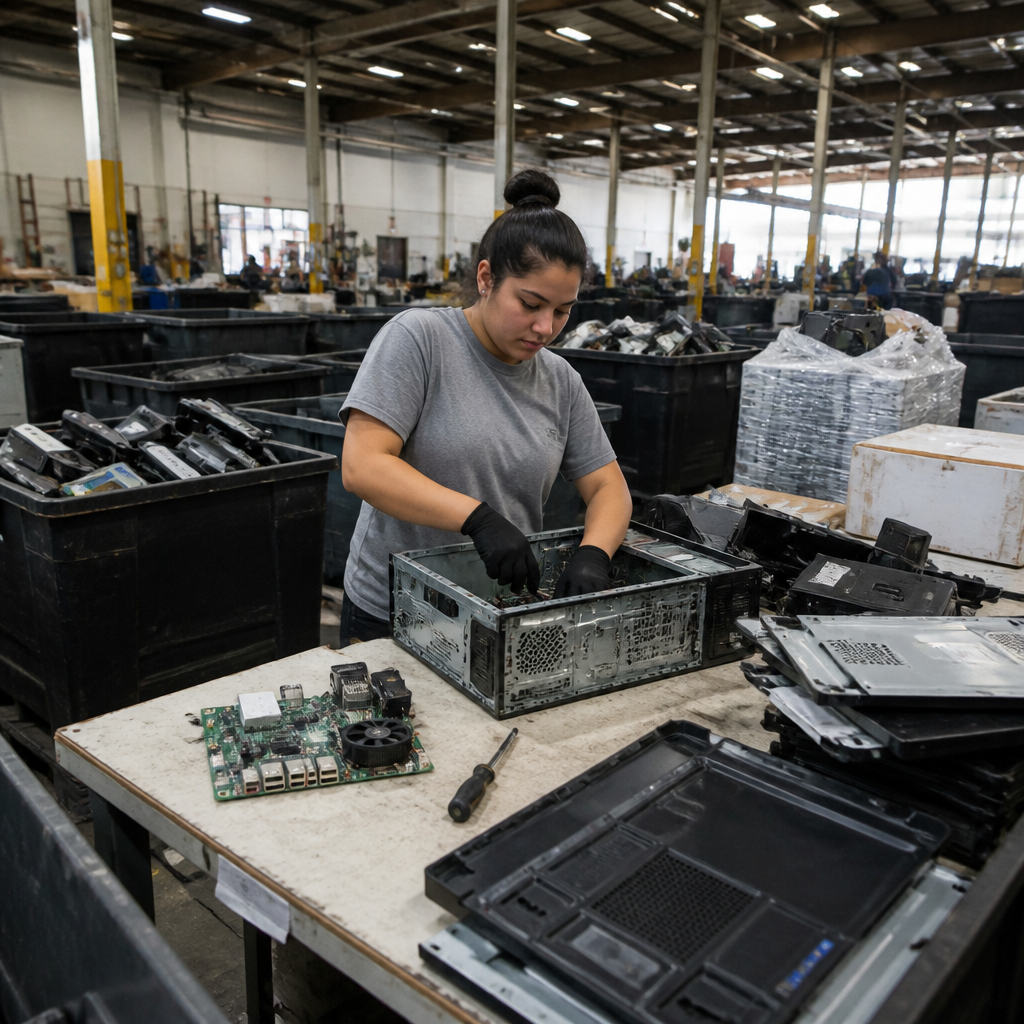
Computer refurbishment refers to the process of restoring used computers to a condition where they can be reused effectively, often involving repair, hardware upgrades, cleaning, and software installation. In today’s fast-paced technological landscape, computer refurbishment plays a critical role in maximizing resource efficiency by extending the lifecycle of computing devices, reducing electronic waste, and lowering environmental impact. According to the Global E-waste Monitor 2023, only 17.4% of electronic waste was properly recycled worldwide, underscoring the need for sustainable solutions like refurbishment. This article explores the definition, characteristics, benefits, and practical applications of computer refurbishment, linking it to broader themes such as sustainability, economic savings, and technological adaptability.
Defining Computer Refurbishment and Its Role in Resource Efficiency
Computer refurbishment is formally described by the United States Environmental Protection Agency (EPA) as “the process of repairing and restoring used electronic devices to a fully functional state for resale or reuse.” Key characteristics include hardware diagnostics, component replacement or upgrading, software reinstallation, and rigorous testing. The primary objective is to extend the lifespan of computers, thus conserving raw materials and energy that would otherwise be spent on producing new devices.
This practice is a subset of broader electronic waste management and sustainable IT solutions. Hyponyms related to this entity include “remanufacturing,” “reconditioning,” and “recycling,” where each term emphasizes different aspects of reuse and waste minimization but refurbishment uniquely focuses on restoring usability. The growing e-waste challenge—57.4 million metric tons in 2021 globally—further highlights refurbishment’s rising importance.
Hardware and Software Refurbishment
Hardware refurbishment involves physical repairs such as replacing damaged components (e.g., hard drives, screens, batteries) or upgrading parts to improve performance (e.g., adding RAM or SSDs). Software refurbishment includes reinstalling operating systems, updating drivers, and removing obsolete or harmful software. These tasks ensure that refurbished computers meet contemporary operational standards while being cost-effective alternatives to new computers. According to TechSoup, refurbished computers can cost 30-50% less than new devices, making technology accessible to underserved communities.
Environmental Impact and Circular Economy Connection
The environmental benefits of computer refurbishment are substantial. It reduces the demand for raw materials such as rare earth metals and platinum, which are often mined under environmentally and ethically challenging conditions. The refurbishment process also decreases the carbon footprint associated with manufacturing new devices. The Ellen MacArthur Foundation stresses refurbishment as a key component in adopting a circular economy—a model designed to minimize waste and keep products and materials in use for as long as possible.

Economic and Social Benefits of Computer Refurbishment in Fast-Changing Technology Markets
Computer refurbishment not only supports environmental goals but also yields significant economic and social advantages. It lowers barriers to technology access, fosters digital inclusion, and supports local enterprises specializing in device repair and refurbishing. In developing countries, refurbished computers provide affordable means for education and entrepreneurship, bridging the digital divide.
Cost Savings and Accessibility
Purchasing refurbished computers can result in 40-60% cost savings compared to new devices, a crucial factor for schools, small businesses, and non-profits. A study from the National Center for Education Statistics indicates that access to affordable technology increases student performance and digital literacy. Thus, refurbishment directly contributes to social equity by democratizing technology.
Job Creation and Skill Development
The refurbishment sector creates skilled jobs in diagnostics, repairs, quality assurance, and IT services. Training programs integrated into rehabilitation initiatives equip workers with in-demand technical skills, fostering economic development. For example, the European Union’s Circular Economy Action Plan emphasizes refurbishment and repair industries as growth sectors with potential for thousands of new jobs.
Challenges and Future Directions in Computer Refurbishment
Despite its benefits, computer refurbishment faces challenges such as rapid product obsolescence, proprietary hardware/software limitations, and concerns about data security. Manufacturers’ planned obsolescence strategies and warranty restrictions sometimes hinder refurbishment efforts. Moreover, consumer perceptions about refurbished devices’ reliability remain a barrier to adoption.
Technological Adaptability and Innovation
Innovations such as modular hardware design, open-source software, and standardized parts are helping to overcome refurbishment barriers by facilitating easier repairs and upgrades. Companies like Fairphone exemplify this approach by producing smartphones designed for longevity and refurbishment. Policymakers are also introducing legislation to support right-to-repair movements, fostering an ecosystem conducive to refurbishment.
Data Privacy and Security Concerns
Ensuring that all personal data is effectively erased during refurbishment is essential to maintain user trust. Certifications such as the National Association for Information Destruction (NAID) provide standards for secure data destruction. Integrating robust security protocols into refurbishment processes protects both consumers and refurbishers from legal and ethical risks.
Conclusion: Embracing Computer Refurbishment for Sustainable and Equitable Technology Use
Computer refurbishment embodies a pragmatic and impactful strategy for sustainable resource management in an era characterized by rapid technological change. By extending device lifecycles, reducing e-waste, enabling cost-effective technology access, and supporting economic development, refurbishment aligns closely with circular economy principles and environmental stewardship. Addressing challenges related to obsolescence and security will be key to scaling refurbishment efforts globally. As technology continues to evolve, computer refurbishment stands out as a vital pathway to ensuring that technological advancement does not come at the cost of environmental degradation or social inequality. Stakeholders from manufacturers to consumers are encouraged to support and adopt refurbishment practices, contributing collectively to a more sustainable digital future.